
Black Couples Therapy in Chicago
For Black couples, that history may also include family expectations, cultural values, experiences with race, ideas about gender and partnership, faith, community, work, financial pressures, and messages about what it means to be strong.
Black Couples Therapy in Hyde Park • Downtown Chicago • Virtual Throughout Illinois

You Shouldn't Have to Translate Your Experience
Sometimes couples spend valuable time explaining cultural experiences before they can even begin talking about the relationship.
I don't feel heard.
01
Why certain expectations around marriage matter.
02
Why vulnerability may feel complicated.
03
Why success can carry pressure.
04
Why faith or community matters.
05
Why conversations about money aren't just about money.
06
Therapy works differently when you can bring your whole relationship into the room.

What Couples Therapy Can Help With
Relationships can get stuck in many different ways.
Communication + Recurring Conflict
Breaking patterns of repeated arguments, misunderstandings, criticism, defensiveness, or conversations that never seem to reach resolution.
Emotional Disconnection
Rebuilding closeness when partners feel distant, disconnected, more like roommates, or unsure how to reconnect emotionally.
Infidelity + Betrayal
Processing the impact of affairs, secrecy, broken agreements, or other experiences that have deeply affected the relationship.
Sex + Intimacy
Exploring changes in desire, physical connection, affection, vulnerability, sexual communication, or intimacy within the relationship.
Premarital Concerns
Creating space for meaningful conversations about expectations, values, family, finances, sex, parenting, and the future before marriage.
Marriage + Major Transitions
Navigating marriage, relocation, career changes, financial shifts, illness, or other major life experiences that affect the relationship.
Parenting + Co-Parenting
Working through differences in parenting styles, family responsibilities, co-parenting challenges, and the changing needs of children.
Family-of-Origin Concerns
Understanding how family histories, childhood experiences, cultural expectations, and patterns from the past shape the relationship today.
Trust + Vulnerability
Creating greater emotional safety and learning how to be open, honest, vulnerable, and trustworthy with one another.
Relationship Uncertainty
Making sense of uncertainty, ambivalence, or questions about whether the relationship can change and what each partner wants moving forward.
External Stress + Burnout
Supporting relationships affected by work stress, caregiving, financial pressure, exhaustion, or the demands of everyday life.
Grief + Loss
Making room for grief and supporting one another through loss, major changes, and experiences that reshape the relationship.
The Experiences We May Explore
Experiences at work, discrimination, code-switching, financial pressure, community stress, and other outside experiences can follow partners home.
The Experiences We May Explore

Black Masculinity + Vulnerability
Messages about strength, masculinity, protection, emotion, and responsibility can shape how some Black men experience vulnerability in relationships.
Black Women + Expectation of Strength
Some Black women carry expectations to be capable, independent, resilient, and responsible for others—even when they need care themselves.
The relationships we witnessed growing up can influence what we expect from partnership, marriage, parenting, conflict, and emotional expression.
Race + Outside Stress
Faith communities can provide tremendous support while also shaping expectations about marriage, gender, sexuality, divorce, forgiveness, and family.
Faith + Spirituality
Money may represent more than finances. It can intersect with security, responsibility, mobility, family obligations, independence, and what partners believe they should be able to provide.
Money + Success
Parents, siblings, relatives, chosen family, and community relationships can be important sources of support - and sometimes sources of tension.
Extended Family
Experiences at work, discrimination, code-switching, financial pressure, community stress, and other outside experiences can follow partners home.
Race + Outside Stress
Starting couples therapy shouldn't feel complicated.

(01)
(02)
(03)
(04)
Reach Out
Complete our brief consultation request and tell us what you're looking for.
Talk With Us
We'll coordinate a complimentary 15-minute consultation to learn more about your needs and answer initial questions.
Find the Right Fit
We'll help identify an HTC clinician whose experience and availability may fit what you're looking for.
Begin Therapy
Meet with your therapist and begin understanding the patterns, concerns, and goals bringing you to therapy.

OUR APPROACH
Black Love + Family History
At Hollie Therapy & Counseling, those experiences don't have to sit outside the therapy room. We provide culturally responsive couples therapy designed to understand your relationship within the context of your life.
Black Love Can Be Strong and Still Need Support
Seeking therapy doesn't mean something is wrong with your relationship.
Sometimes strength itself can become complicated. Couples may become accustomed to pushing through.
Handling things privately. Taking care of everyone else. Keeping family business inside the family.
Continuing to function even when they feel disconnected. Being the “strong one.”
Emotionally Focused Therapy
Family Systems
Cognitive-Behavioral Approaches
Narrative Therapy
Gottman-Informed Interventions
Our therapists may integrate these approaches depending on the couple, therapist, and clinical needs.

Find a therapist who understands relationships - and context.
Feature HTC clinicians who work with couples and have appropriate experience providing culturally responsive relationship therapy.
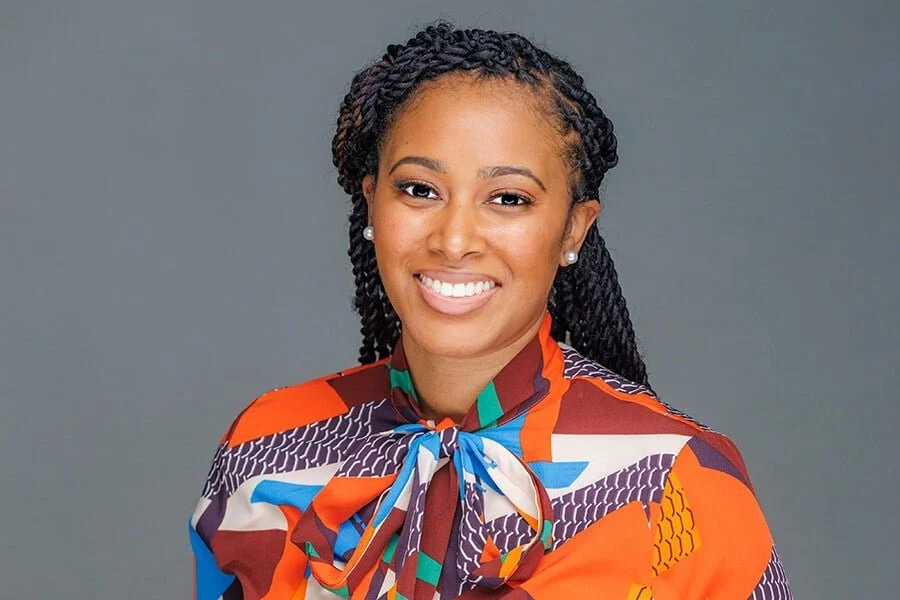
Charity Kelly, M.A., AMFT
Clinical Therapist

Mikale Kelley-Ross, MA, ALMFT
Clinical Therapist
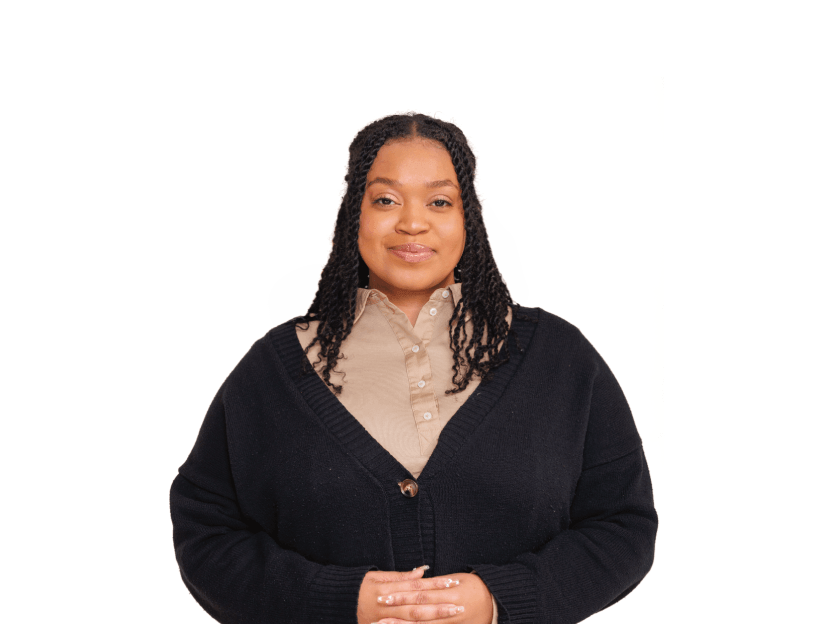
Inkera Muwakkil, M.A., ALMFT
Clinical Therapist
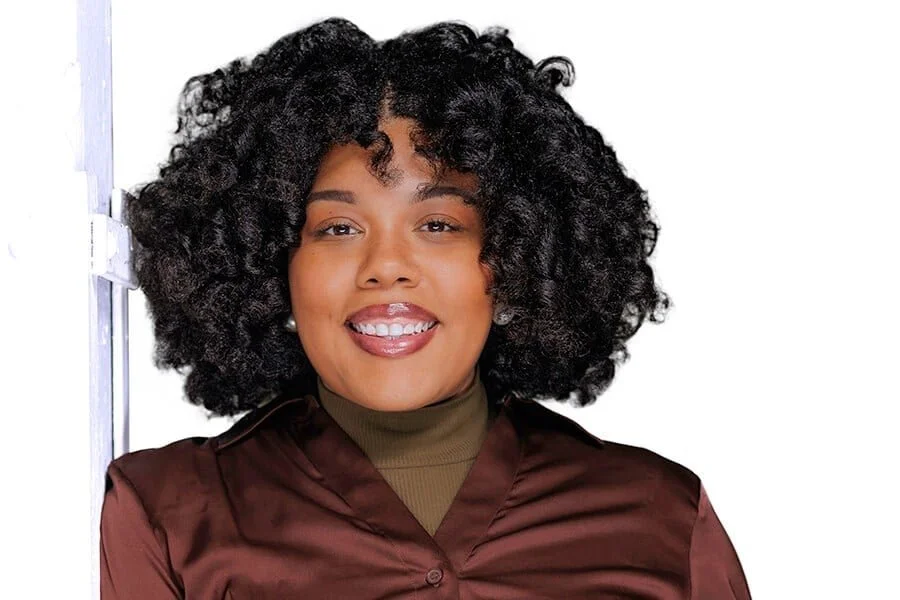
Gabrielle Wilson, MA, ALMFT
Clinical Therapist

Tanaïi Wellington, BSW, LCSW
Clinical Therapist
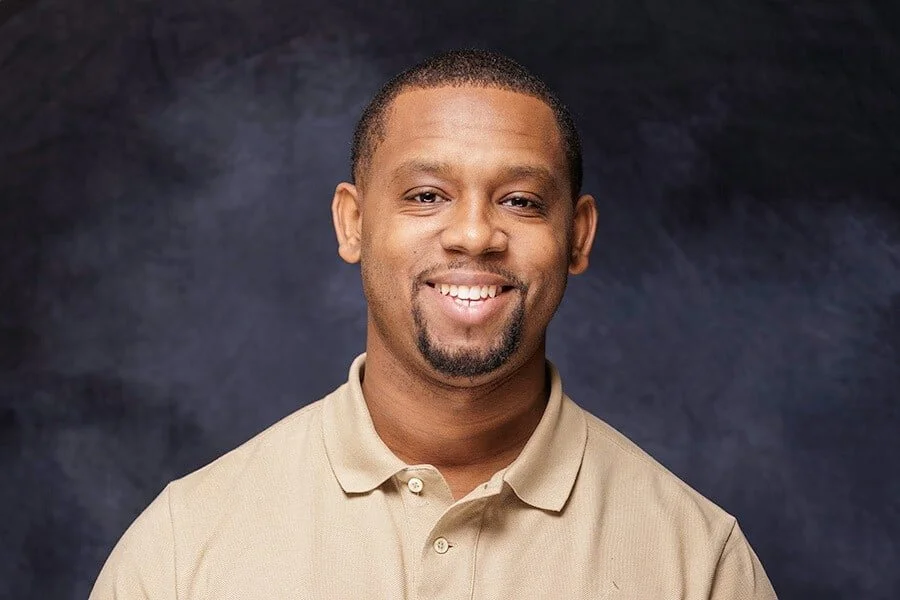
Aaron Williams, M.A. ALMFT
Clinical Therapist
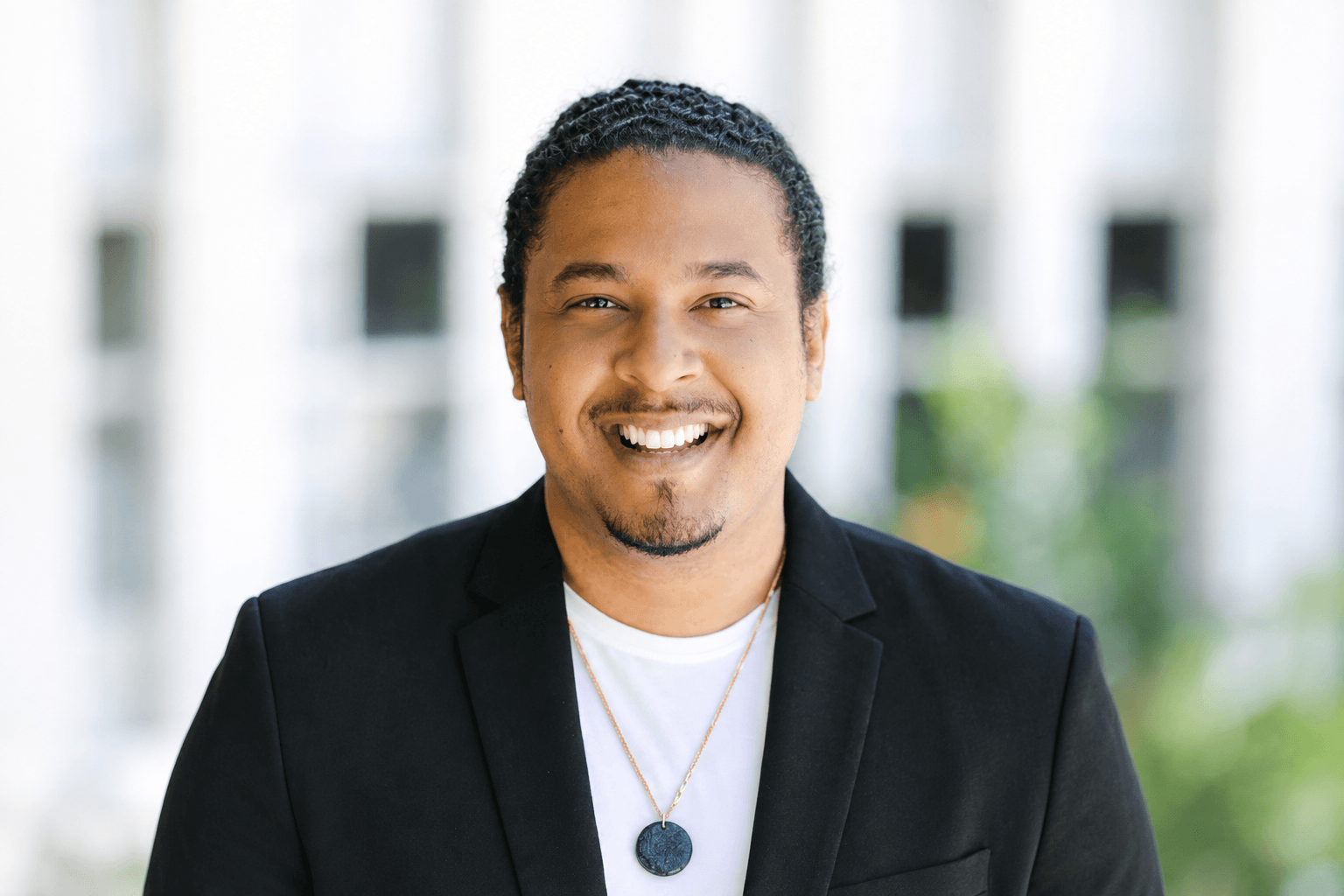
Joshua Brisman, M.A., MFT
Clinical Therapist
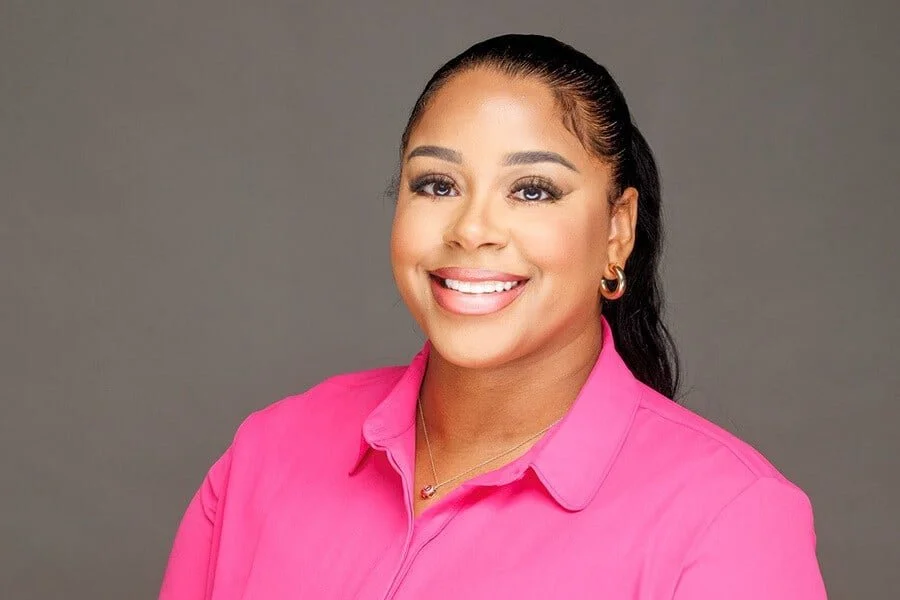
Nays Molina
Intake Specialist
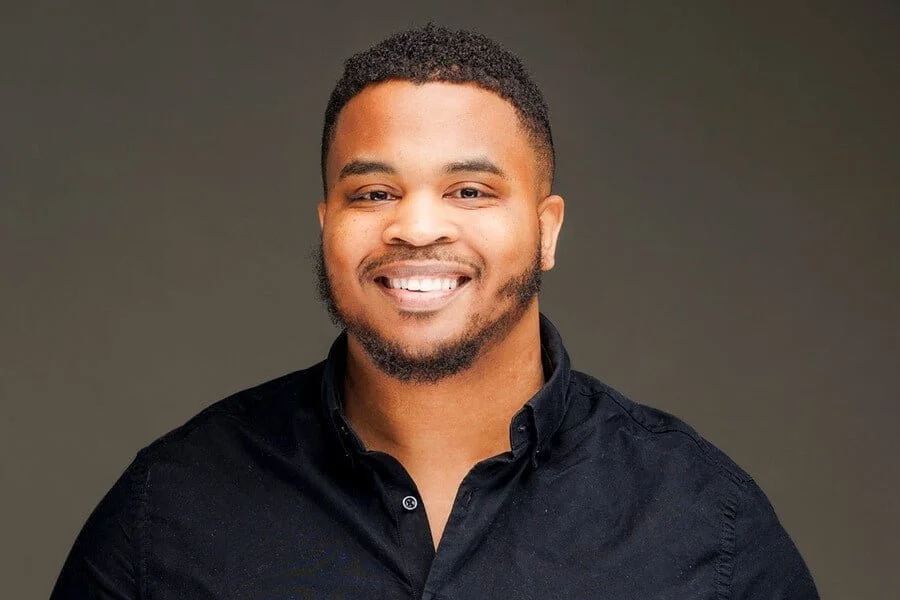
Joshua Hollie, M.S, BCBA
President of ABA Division
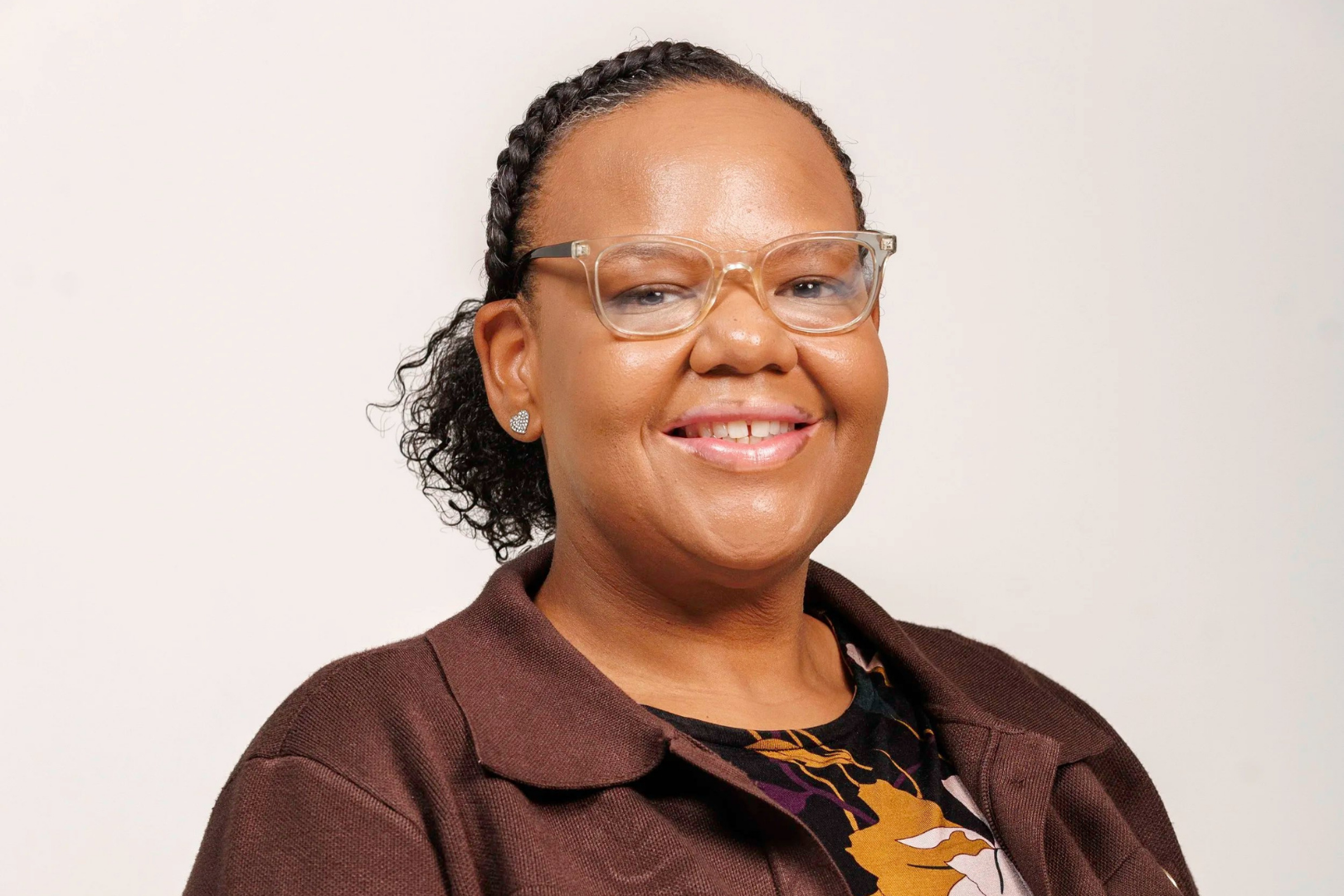
Ronisha, M.S., ALMFT
Clinical Therapist
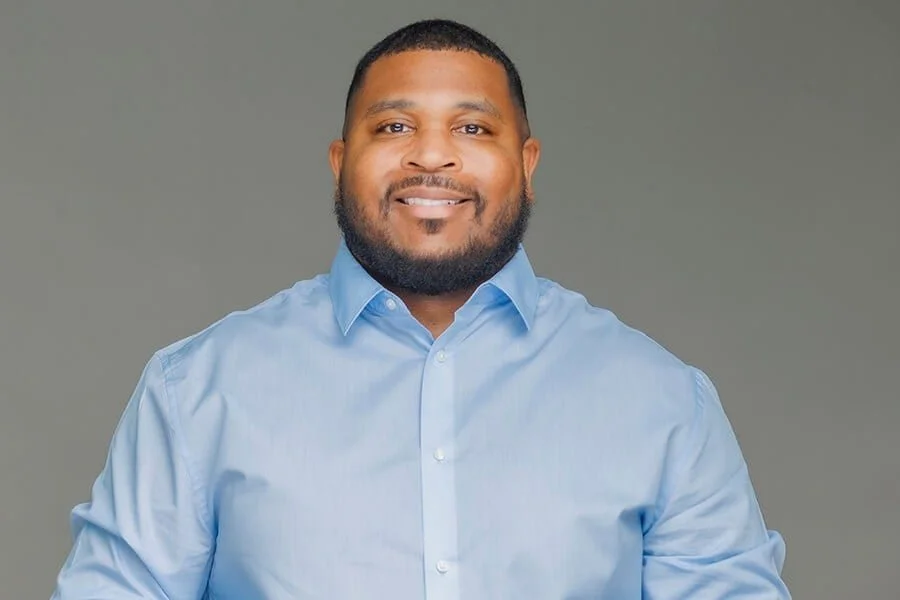
Dr. Brandon Hollie
Founder & Chief Executive Officer | Licensed Marriage and Family Therapist
Frequently Asked Questions
-
The fundamental goals of couples therapy may be similar: understanding relationship patterns, improving connection, addressing conflict, rebuilding trust, or navigating difficult experiences.
-
Culturally responsive couples therapy recognizes that relationships don't develop separately from family, race, community, gender, faith, socioeconomic experiences, and the world around us.
Those factors don't have to dominate therapy, but they also don't have to be ignored when they're important to your relationship.
-
No.
Interracial and multicultural couples may also benefit from culturally responsive relationship therapy. Partners may have different racial or cultural identities and different experiences of the world. Therapy can provide space to understand how those differences affect communication, family relationships, identity, parenting, belonging, and the relationship itself.
-
Therapist fit is personal, and cultural identity can be an important part of that decision.
Some clients specifically want a Black therapist because they value shared cultural understanding or feel more comfortable discussing certain experiences without extensive explanation.
Others prioritize factors such as clinical approach, personality, specialty, gender, availability, or another aspect of identity.
Our consultation process can help you think about what matters most to you when selecting a therapist.
-
No. Culturally responsive therapy doesn't mean assuming that every concern is about race. Your relationship determines what we talk about. Race and culture may sometimes be central. At other times, the focus may be communication, trust, sex, parenting, finances, family, emotional connection, or something entirely different. The goal is to make sure culture can enter the conversation when it's relevant rather than assuming it doesn't matter. What if my partner and I have different views about race, gender roles, or culture? Those differences can themselves be meaningful areas to explore. Partners don't need identical beliefs or experiences to have a healthy relationship. Therapy can help couples become more curious about how each person developed their beliefs, how those beliefs affect the relationship, and where differences create misunderstanding, conflict, or opportunities for deeper understanding.
-
Yes. Our early family relationships often influence what we expect from partnership, how we communicate, how we respond to conflict, what vulnerability feels like, and what we believe about marriage and family. Couples therapy can help partners understand those influences without simply blaming parents or families. The question becomes: What did we learn, how is it showing up now, and what do we want our relationship to look like moving forward?
-
Yes. Premarital therapy isn't only for couples experiencing problems. It can provide intentional space to discuss communication, finances, sex and intimacy, family expectations, parenting, faith, roles, conflict, and what each person expects from marriage. For Black couples, it may also create space to intentionally explore the cultural and generational messages each partner wants to bring into—or leave outside of—the marriage.
-
Yes. HTC offers virtual therapy for appropriate clients located throughout Illinois, along with in-person services in Chicago. Virtual therapy can be especially useful for couples balancing work, parenting, commuting, travel, and other responsibilities.
Reach Out Today
Let's Begin the Conversation
South Loop Facility:

111 W Jackson Blvd Ste 1700 Chicago, IL 60604
Hyde Park Facility:

5113 South Harper Avenue Suite 2C Chicago, IL 60615
Phone:
708-232-3516

Your relationship deserves room to be understood in full.
Whatever you’re facing, having the right support can make a meaningful difference. At Hollie Therapy and Counseling, we provide a safe, compassionate space to talk, be heard, and work toward meaningful change.