
Infidelity Counseling & Affair Recovery in Chicago
At Hollie Therapy & Counseling, we provide couples with a structured space to slow things down, address what's happened, and begin determining what comes next.
Infidelity Recovery in Hyde Park • Downtown Chicago • Virtual Throughout Illinois

After Betrayal, There May Be More Questions Than Answers
You may be dealing with anger, grief, unanswered questions, guilt, fear, confusion—or uncertainty about whether the relationship can continue.
I don't feel heard.
01
How could you do this?
02
Can I ever trust you again?
03
Why wasn't I enough?
04
Why did this happen?
05
Can our relationship survive this?
06
Therapy doesn't require you to know the answer before you begin.

Before repair can happen, the injury has to be understood.
Relationships can get stuck in many different ways.
Managing Intense Emotions
Creating space to process anger, hurt, fear, sadness, and other intense emotions without allowing them to overwhelm the conversation.
Clarifying Appropriate Boundaries
Identifying clear, respectful boundaries that support emotional safety and help define what is appropriate moving forward.
Understanding What Information Is Needed
Identifying what questions need to be answered and what information may be important for moving toward clarity and healing.
Addressing Ongoing Contact With Another Person
Working through questions and concerns when ongoing communication or contact with another person remains part of the situation.
Creating Transparency Where Appropriate
Establishing openness and clarity around communication, expectations, and information in ways that support trust and accountability.
Responding to Questions
Making room for difficult questions and responding with honesty, patience, and care as both partners work toward greater understanding.
Taking Accountability
Recognizing the impact of actions, taking responsibility, and identifying meaningful steps toward repair and change.
Reducing Escalating Conflict
Slowing down reactive patterns, reducing escalation, and creating a more grounded way to navigate difficult conversations.
Determining Immediate Needs
Identifying what each person needs right now to feel supported, safe, heard, and able to take the next step.
Rebuilding Trust Is More Than Saying “Trust Me”
Exploring what contributed to the betrayal without using explanation as an excuse.
Accountability

Creating appropriate openness that supports emotional safety while the relationship stabilizes.
Transparency
Allowing actions over time—not only promises—to demonstrate reliability.
Consistency
Acknowledging the impact of what happened without minimizing or immediately becoming defensive.
Understanding

Betrayal doesn't look the same in every relationship.
Infidelity may involve a sexual relationship outside the partnership, but betrayal can take other forms depending on the agreements and boundaries of the relationship.
What Counts as Infidelity?
Sexual affairs
Emotional affairs
Online or digital relationships
Secretive communication
Dating app use
Repeated boundary violations
Hidden sexual behavior
Other significant breaches of relationship agreements
Our therapists may integrate these approaches depending on the couple, therapist, and clinical needs.

Our Approach to Infidelity Recovery

(01)
(02)
(03)
(04)
Reach Out
Complete our brief consultation request and tell us what you're looking for.
Talk With Us
We'll coordinate a complimentary 15-minute consultation to learn more about your needs and answer initial questions.
Find the Right Fit
We'll help identify an HTC clinician whose experience and availability may fit what you're looking for.
Begin Therapy
Meet with your therapist and begin understanding the patterns, concerns, and goals bringing you to therapy.

Find a therapist who understands relationships - and context.
Feature HTC clinicians who work with couples and have appropriate experience providing culturally responsive relationship therapy.

Charity Kelly, M.A., AMFT
Clinical Therapist

Mikale Kelley-Ross, MA, ALMFT
Clinical Therapist

Inkera Muwakkil, M.A., ALMFT
Clinical Therapist

Gabrielle Wilson, MA, ALMFT
Clinical Therapist

Tanaïi Wellington, BSW, LCSW
Clinical Therapist
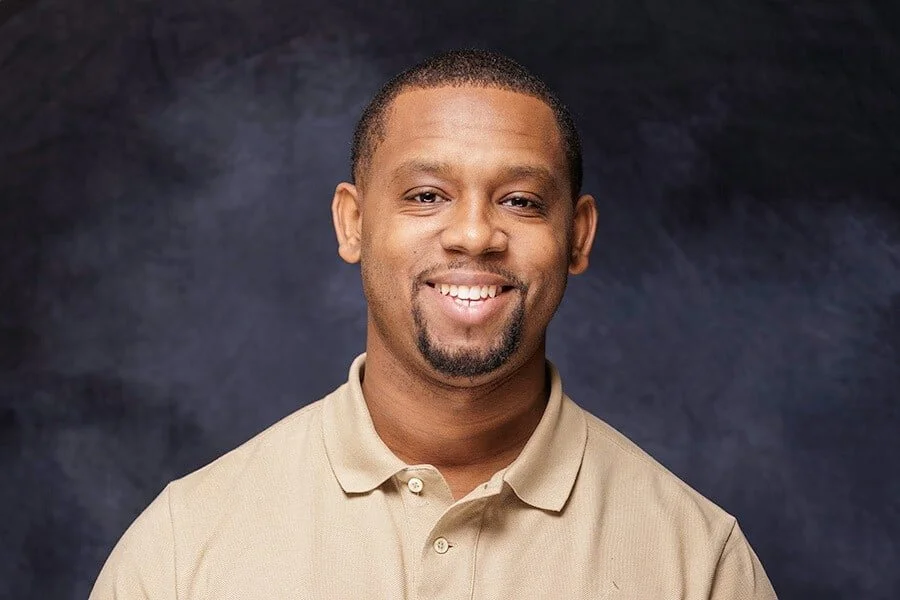
Aaron Williams, M.A. ALMFT
Clinical Therapist

Joshua Brisman, M.A., MFT
Clinical Therapist
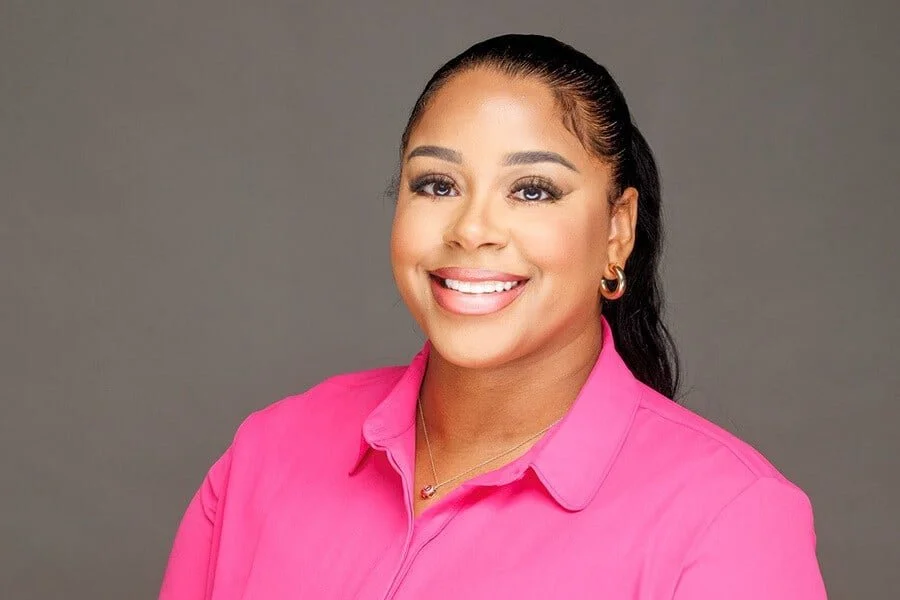
Nays Molina
Intake Specialist

Joshua Hollie, M.S, BCBA
President of ABA Division
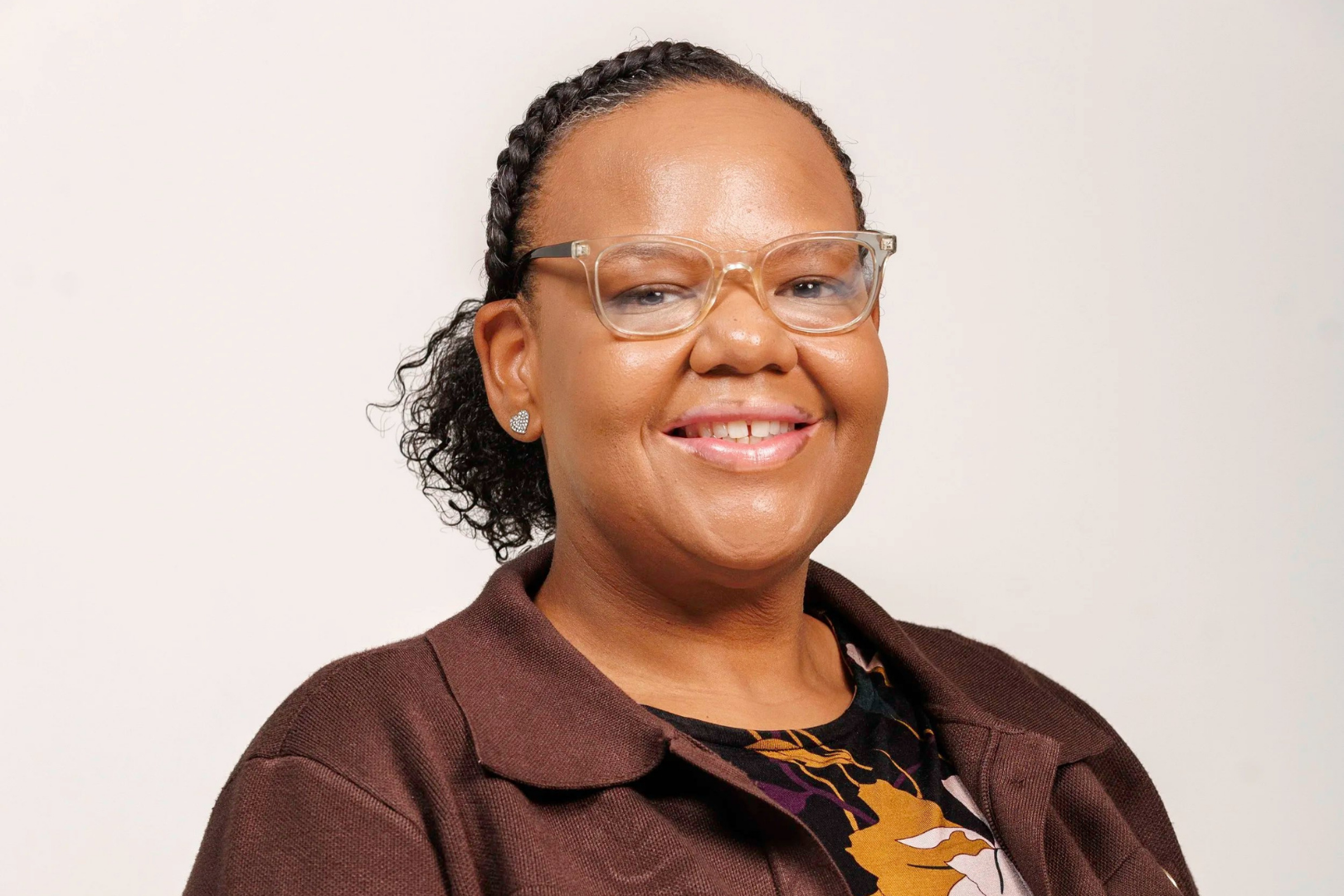
Ronisha, M.S., ALMFT
Clinical Therapist
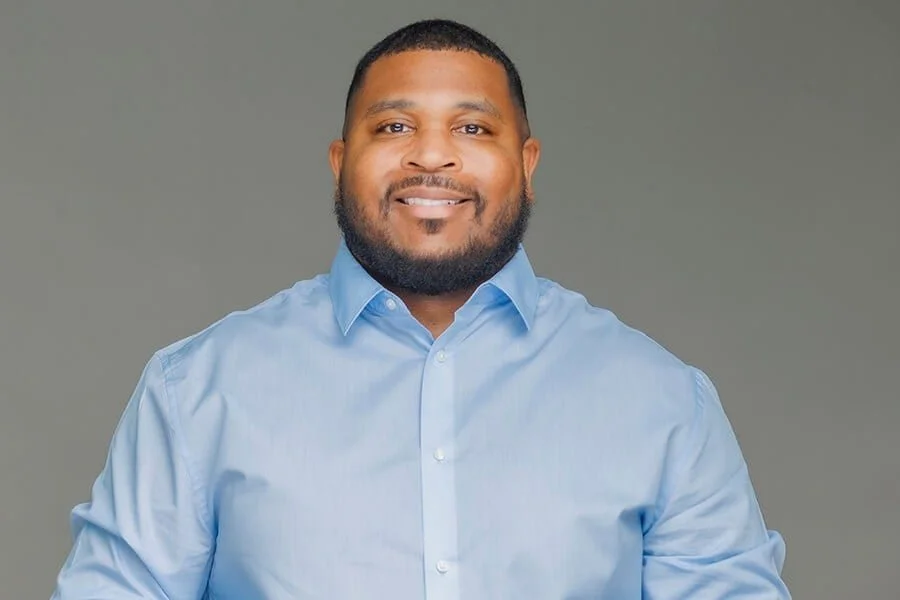
Dr. Brandon Hollie
Founder & Chief Executive Officer | Licensed Marriage and Family Therapist
Frequently Asked Questions
-
When the goal is rebuilding trust and repairing the primary relationship, ongoing secrecy or an active outside relationship can significantly complicate that process.
Your therapist can help clarify boundaries and what conditions may be necessary for productive couples work based on the circumstances.
-
After betrayal, the hurt partner often has a strong need to understand what happened.
At the same time, not every type of detail is necessarily helpful to recovery, and the timing and way information is discussed can matter.
Rather than creating a universal rule about what should or shouldn't be disclosed, therapy can help couples determine what information is important for informed decision-making, accountability, and rebuilding safety while considering how those conversations occur.
-
After trust has been disrupted, information can take on a different meaning.
Repeated questions may reflect attempts to understand what happened, determine whether the story is consistent, regain a sense of reality, or seek reassurance that there isn't additional information still being hidden.
Therapy can help both partners understand what may be underneath those repeated conversations and develop healthier ways of responding to them.
-
There is no universal timeline.
Trust is rarely restored through one conversation, apology, or promise. It often develops through consistent experiences over time.
The length of the process can depend on the nature of the betrayal, how disclosure occurred, whether there were repeated breaches, how each partner responds afterward, and other individual and relationship factors.
-
No.
Understanding and excusing are different.
Therapy may explore individual circumstances, relationship dynamics, boundaries, vulnerabilities, or other factors surrounding an affair because understanding the broader context can be important.
That does not remove responsibility for the decision to violate a relationship agreement.
-
Time alone doesn't necessarily repair a relational injury.
Sometimes couples tried to move forward without having the conversations needed to understand or process what happened. The betrayal may then reappear during conflict, intimacy, major transitions, or other moments of vulnerability.
Couples can seek therapy even when the betrayal occurred months or years earlier.
-
No.
The therapist's role isn't to make that decision for you.
Therapy can help you better understand the relationship, the impact of the betrayal, what repair would require, and what each partner wants so that decisions about the future can be made more thoughtfully.
-
Yes.
Uncertainty following betrayal is understandable.
You don't necessarily need to make a final decision before seeking support. Depending on the degree of uncertainty and each partner's goals, your therapist can also discuss whether traditional couples therapy or a more discernment-focused process is appropriate.
Reach Out Today
Let's Begin the Conversation
South Loop Facility:

111 W Jackson Blvd Ste 1700 Chicago, IL 60604
Hyde Park Facility:

5113 South Harper Avenue Suite 2C Chicago, IL 60615
Phone:
708-232-3516

You don't have to decide everything today.
Whatever you’re facing, having the right support can make a meaningful difference. At Hollie Therapy and Counseling, we provide a safe, compassionate space to talk, be heard, and work toward meaningful change.