
Marriage Counseling in Chicago
Marriage counseling at Hollie Therapy & Counseling creates space to understand what has happened between you and what you want to happen next.
Marriage Counseling in Hyde Park • Downtown Chicago • Virtual Throughout Illinois

Sometimes There Wasn't One Big Thing
Maybe something changed after children, illness, stress, betrayal, medication, aging, or a major transition. Or maybe you've never really learned how to talk openly about sex at all.
Who's picking up the kids?
01
Did you pay that bill?
02
What time will you be home?
03
What's happening this weekend?
04
I don't know if I want to do this anymore.
05
What's happening this weekend?
06
Therapy creates a place to begin having those conversations differently.

What Marriage Counseling Can Help With
There are many ways a marriage can feel stuck.
Recurring Conflict
You have different versions of the same argument over and over, but nothing seems to actually get resolved.
Communication
Conversations quickly become criticism, defensiveness, withdrawal, escalation, or silence.
Emotional Disconnection
You care about one another but don't feel emotionally close anymore.
Trust
Something has changed the sense of safety, honesty, or reliability in the marriage.
Sex + Intimacy
Desire, affection, physical intimacy, or emotional closeness has changed.
Explore Sex & Intimacy Therapy →Parenting
You disagree about discipline, responsibilities, priorities, or how to raise your children.
Division of Labor
One partner may feel overwhelmed, underappreciated, or responsible for carrying more of the household or emotional load.
Money
Spending, saving, debt, income differences, financial priorities, or financial secrecy may be creating tension.
Extended Family
Parents, in-laws, siblings, family obligations, and boundaries can become recurring sources of conflict.
Major Life Transitions
Children, career changes, relocation, illness, caregiving, grief, retirement, or other transitions can change how the marriage functions.
Relationship Uncertainty
One or both partners may be questioning whether they still want the marriage.
Marriage Changes Across Seasons
Sometimes couples struggle because they haven't intentionally renegotiated their relationship as life has changed around them.
Dating

Marriage
Early careers
Parenthood
Financial changes
Caregiving
Loss
Empty nesting
Health changes
Career advancement

What If Trust Has Been Broken?
If your marriage has experienced infidelity, secrecy, financial betrayal, repeated broken agreements, or another significant breach of trust, staying together doesn't automatically resolve the injury.
Consensual / Ethical Non-Monogamy + Relationship Agreements
Some individuals and couples practice or are considering consensual or ethical non-monogamy, open relationships, or other relationship structures outside of monogamy.
Accountability
Transparency
Difficult Conversations
Consistency
Boundaries
Understanding the Impact
Responding Differently When the Hurt Resurfaces
Allowing Trust to Develop Through Experiences Over Time
For couples specifically navigating infidelity:

Our Approach to Marriage Counseling

(01)
(02)
(03)
(04)
Reach Out
Complete our brief consultation request and tell us what you're looking for.
Talk With Us
We'll coordinate a complimentary 15-minute consultation to learn more about your needs and answer initial questions.
Find the Right Fit
We'll help identify an HTC clinician whose experience and availability may fit what you're looking for.
Begin Therapy
Meet with your therapist and begin understanding the patterns, concerns, and goals bringing you to therapy.

Find a therapist you can actually talk to about this.
The relationship with the therapist is especially important. Feature only clinicians who are genuinely comfortable and appropriately trained to work with these concerns.

Charity Kelly, M.A., AMFT
Clinical Therapist

Mikale Kelley-Ross, MA, ALMFT
Clinical Therapist

Inkera Muwakkil, M.A., ALMFT
Clinical Therapist
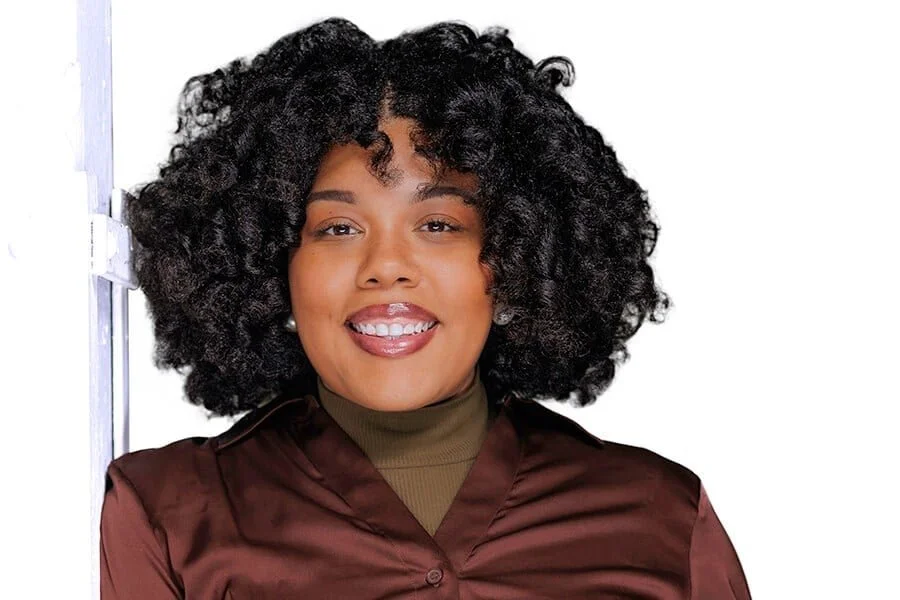
Gabrielle Wilson, MA, ALMFT
Clinical Therapist

Tanaïi Wellington, BSW, LCSW
Clinical Therapist
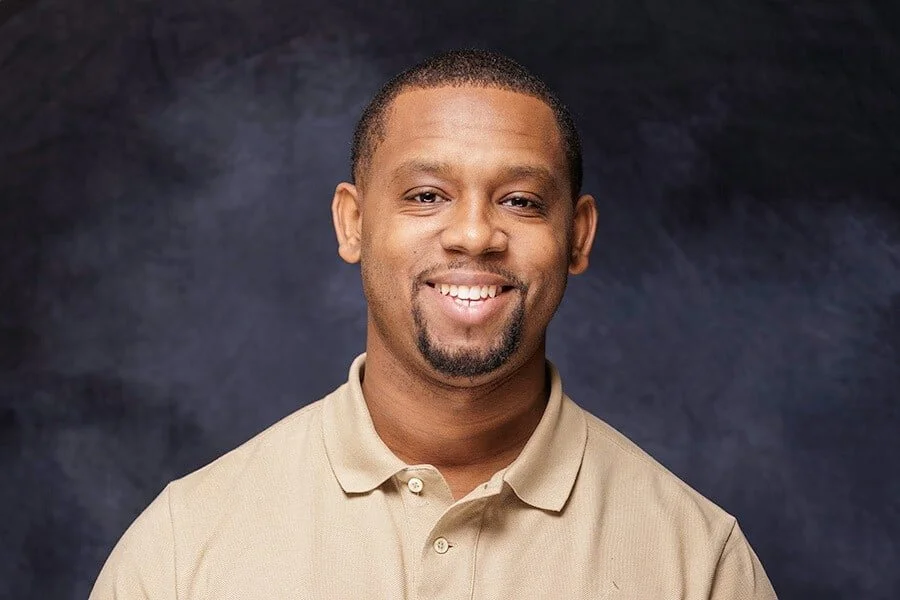
Aaron Williams, M.A. ALMFT
Clinical Therapist

Joshua Brisman, M.A., MFT
Clinical Therapist
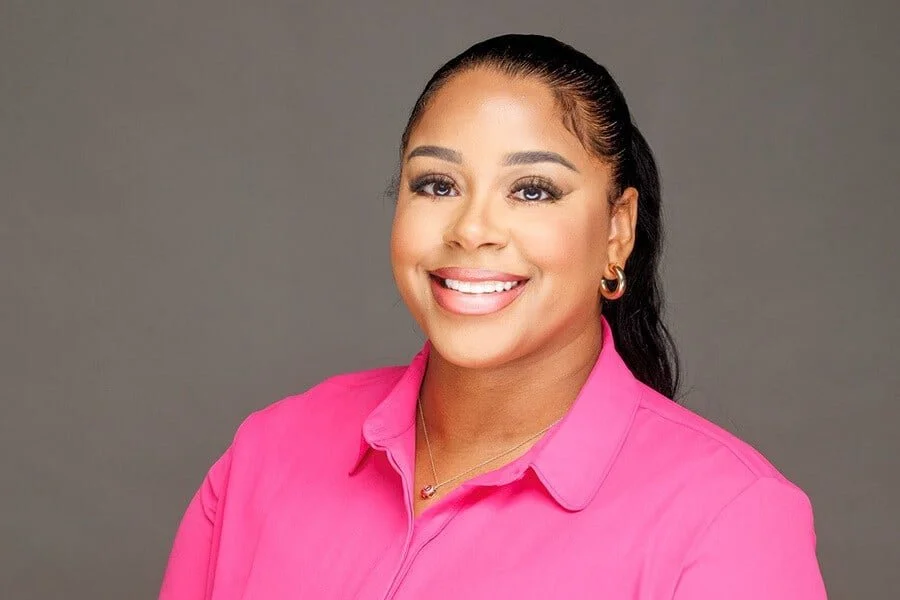
Nays Molina
Intake Specialist

Joshua Hollie, M.S, BCBA
President of ABA Division
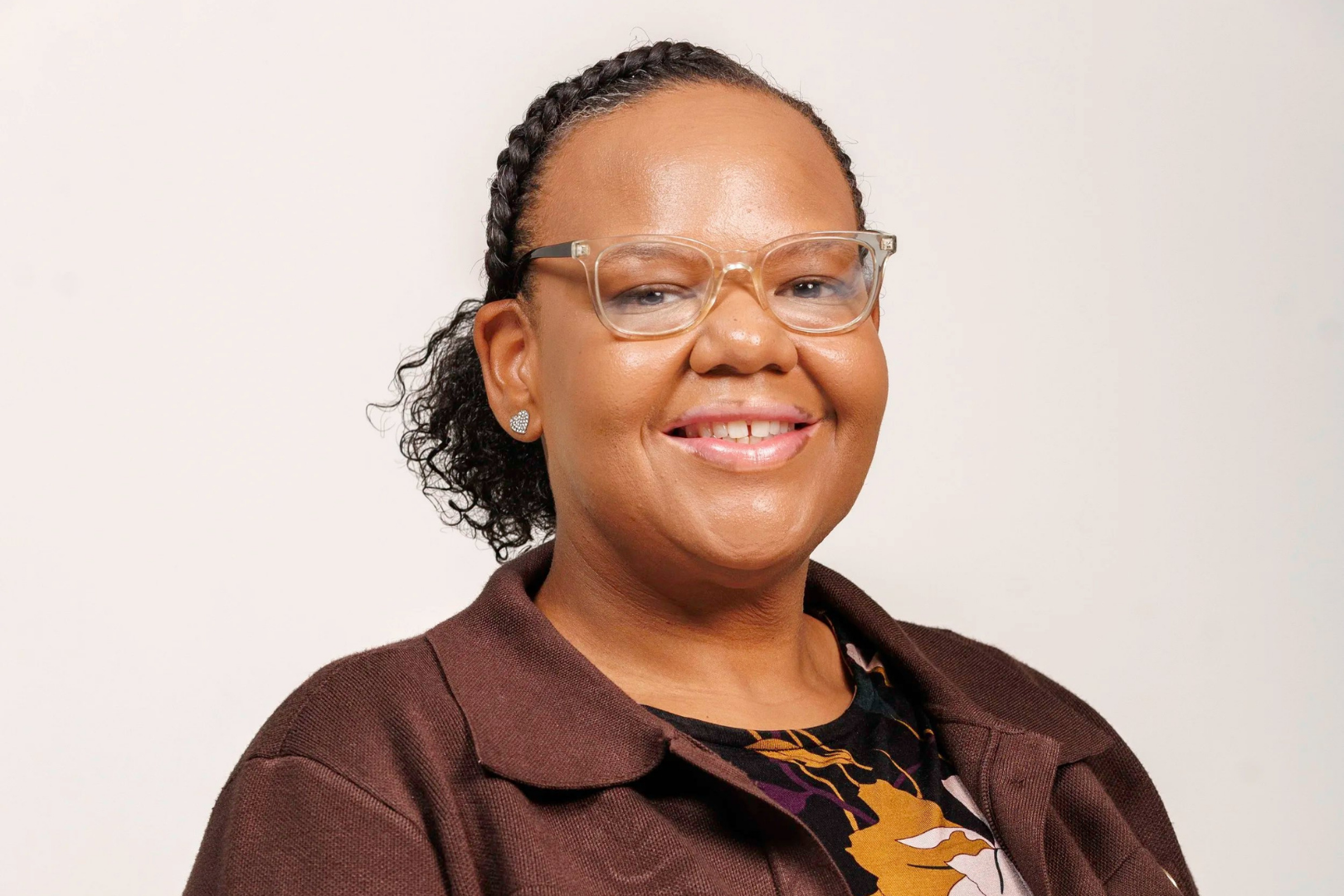
Ronisha, M.S., ALMFT
Clinical Therapist
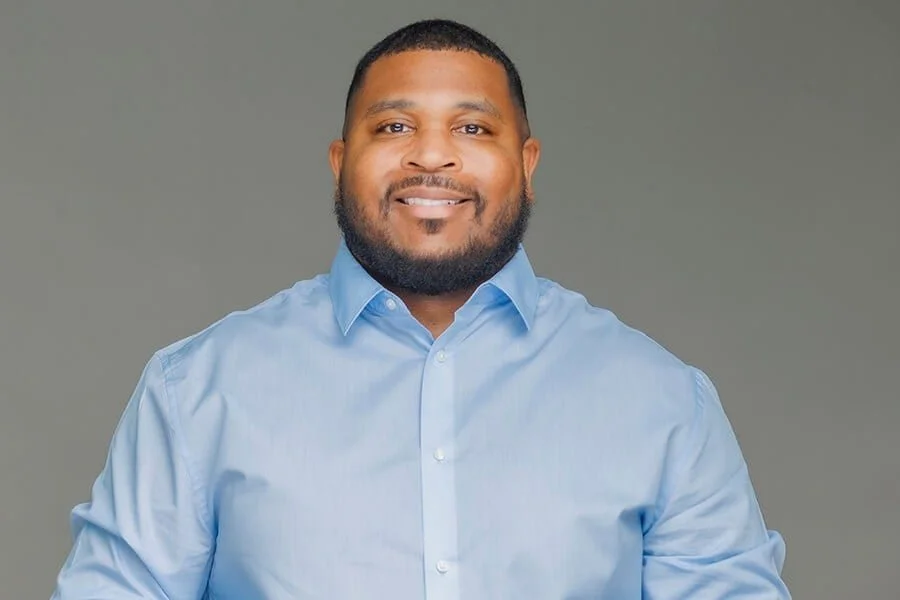
Dr. Brandon Hollie
Founder & Chief Executive Officer | Licensed Marriage and Family Therapist
Frequently Asked Questions
-
You don't need to wait until you're considering divorce.
Couples seek marriage counseling for recurring conflict, communication difficulties, emotional distance, intimacy concerns, parenting disagreements, trust issues, family stress, major transitions, or simply feeling less connected than they once did.
Sometimes the clearest indication is recognizing:
“We've tried to solve this ourselves, but we keep ending up in the same place.”
-
The amount of distress in a marriage doesn't by itself determine whether therapy can be useful.
Couples enter therapy at many different stages, including after years of difficulty.
What therapy looks like will depend on what has happened, each partner's willingness to participate, safety considerations, and what each person wants moving forward.
If one or both partners are significantly uncertain about remaining married, your therapist may discuss whether traditional marriage counseling or another process better fits your situation.
-
Marriage counseling generally isn't about appointing a judge.
Your therapist will help identify patterns, increase understanding, and address behaviors that may be damaging the relationship.
That does not mean harmful behavior is ignored or that every action is treated as equivalent.
Accountability and systemic understanding can exist at the same time.
-
Different levels of motivation are common.
A spouse may feel skeptical, fear being blamed, have had a negative previous therapy experience, or believe the relationship should be able to resolve problems without outside help.
A consultation may help answer questions and clarify what therapy would actually involve.
If your spouse ultimately chooses not to participate, individual therapy may still provide space for you to explore your own experiences and decisions.
-
Marriage counseling can help couples address betrayal and trust concerns, although significant infidelity concerns may require more focused work.
Therapy may involve accountability, boundaries, emotional stabilization, understanding the impact of the betrayal, rebuilding trust when both partners choose to do so, and determining what the future of the marriage may look like.
Reach Out Today
Let's Begin the Conversation
South Loop Facility:

111 W Jackson Blvd Ste 1700 Chicago, IL 60604
Hyde Park Facility:

5113 South Harper Avenue Suite 2C Chicago, IL 60615
Phone:
708-232-3516

You've built a life together. Make room for the relationship inside it.
Sometimes therapy is the place where the relationship gets to become the focus again. Maybe you're trying to reconnect. Maybe you're trying to repair something that happened. Wherever you are, we can begin there.