
Sex & Intimacy Therapy in Chicago
At Hollie Therapy & Counseling, we help individuals and couples have conversations about sex, intimacy, desire, connection, and relationships with greater openness and less judgment.
Sex & Intimacy Therapy in Hyde Park • Downtown Chicago • Virtual Throughout Illinois

Sometimes The Hardest Part Is Talking About It
Maybe something changed after children, illness, stress, betrayal, medication, aging, or a major transition. Or maybe you've never really learned how to talk openly about sex at all.
Sex can become the conversation couples avoid.
01
Maybe one person wants sex more often.
02
Maybe sex has become predictable.
03
Maybe physical affection has disappeared.
04
Maybe rejection has started feeling personal.
05
Maybe you've stopped initiating because you don't want to hear “no.”
06
Therapy creates a place to begin having those conversations differently.

Intimacy Is Bigger Than Intercourse
Marriage brings two lives together - not two blank slates.
Affection
How do we express affection, and what helps each of us feel loved and cared for?
Touch
How important is physical touch to each of us, and what kinds of touch feel meaningful and comfortable?
Conversation
How do we create space for meaningful conversation, curiosity, honesty, and connection?
Playfulness
How do we make room for laughter, fun, spontaneity, teasing, and enjoyment in our relationship?
Emotional Vulnerability
Can we be honest about our fears, needs, insecurities, hopes, and emotions without feeling judged or dismissed?
Feeling Desired
What helps each of us feel wanted, attractive, appreciated, and intentionally chosen by our partner?
Feeling Understood
What helps us feel heard, seen, understood, and genuinely known by one another?
Physical Closeness
How do we create physical closeness and comfort in ways that feel safe, mutual, and meaningful?
Sexual Connection
How do we talk openly about sexual connection, desire, expectations, pleasure, boundaries, and changes over time?
Trust
What helps us build, maintain, repair, and deepen trust within our relationship?
Friendship
How do we protect our friendship, shared interests, companionship, and sense of connection as life changes?
Asking for What You Need
Can we clearly communicate our needs, preferences, boundaries, and desires—and trust that they can be heard?
What Sex & Intimacy Therapy Can Help With
Differences in Sexual Desire

Sexual Communication
Emotional Intimacy
Physical Affection
Stress + Burnout
Trust + Betrayal
Sexual Shame
Life + Health Changes
Relationship Agreements
Changes After Children

Black Sexuality + Intimacy
For Black individuals and couples, conversations about sexuality can also exist alongside cultural messages about masculinity, femininity, desirability, strength, body image, religion, privacy, and vulnerability. Some people may have grown up in families or communities where conversations about sexuality were limited.
Consensual / Ethical Non-Monogamy + Relationship Agreements
Some individuals and couples practice or are considering consensual or ethical non-monogamy, open relationships, or other relationship structures outside of monogamy.
Relationship Agreements
Boundaries
Consent
Communication
Jealousy
Time and Attention
Emotional and Sexual Boundaries
Trust
Safer-Sex Conversations
Privacy
Changes in Agreements
Different Levels of Comfort Between Partners
Our therapists may integrate these approaches depending on the couple, therapist, and clinical needs.

Our Approach to Infidelity Recovery

(01)
(02)
(03)
(04)
Reach Out
Complete our brief consultation request and tell us what you're looking for.
Talk With Us
We'll coordinate a complimentary 15-minute consultation to learn more about your needs and answer initial questions.
Find the Right Fit
We'll help identify an HTC clinician whose experience and availability may fit what you're looking for.
Begin Therapy
Meet with your therapist and begin understanding the patterns, concerns, and goals bringing you to therapy.

Find a therapist you can actually talk to about this.
The relationship with the therapist is especially important when discussing sex and intimacy. Feature only clinicians who are genuinely comfortable and appropriately trained to work with these concerns.

Charity Kelly, M.A., AMFT
Clinical Therapist

Mikale Kelley-Ross, MA, ALMFT
Clinical Therapist

Inkera Muwakkil, M.A., ALMFT
Clinical Therapist

Gabrielle Wilson, MA, ALMFT
Clinical Therapist

Tanaïi Wellington, BSW, LCSW
Clinical Therapist

Aaron Williams, M.A. ALMFT
Clinical Therapist

Joshua Brisman, M.A., MFT
Clinical Therapist
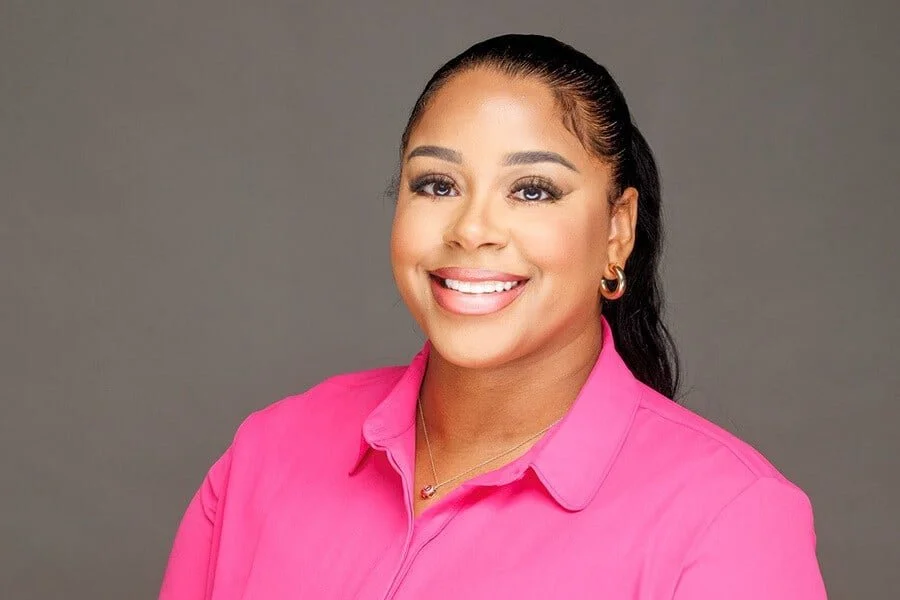
Nays Molina
Intake Specialist

Joshua Hollie, M.S, BCBA
President of ABA Division

Ronisha, M.S., ALMFT
Clinical Therapist

Dr. Brandon Hollie
Founder & Chief Executive Officer | Licensed Marriage and Family Therapist
Frequently Asked Questions
-
Therapy will involve discussing the concerns that brought you in, but you don't have to disclose everything immediately. Your therapist will work to create enough trust and safety for conversations to develop over time.
-
Differences in desire are common.
The goal isn't necessarily to identify which person's level of desire is “correct.”
Therapy can help explore how desire works for each partner, what affects it, and what happens emotionally and relationally when one person initiates, declines, pursues, or withdraws.
Often, understanding the cycle surrounding desire is as important as talking about frequency itself.
-
Potentially, yes.
Rather than assuming the solution is simply to “have more sex,” therapy can help explore what has contributed to the change.
That might include emotional disconnection, unresolved conflict, stress, parenting, health changes, desire differences, trust, resentment, medication, body image, or other experiences.
When medical or physiological factors may be contributing, collaboration with an appropriate healthcare professional may also be important.
-
Yes, when this falls within the treating clinician's competence.
Therapy can provide space to explore what non-monogamy means to each partner, motivations, boundaries, consent, jealousy, emotional safety, communication, and potential relationship agreements.
The therapist's role isn't to persuade you toward monogamy or non-monogamy.
If partners ultimately want different relationship structures, therapy can also help them explore what that difference means for the relationship.
-
No.
Consensual or ethical non-monogamy is based on the knowledge and consent of the people involved and on whatever agreements they establish together.
Infidelity involves violating the agreements or boundaries of the relationship.
A person in a consensually non-monogamous relationship can therefore still experience betrayal if an agreed-upon boundary is violated.
-
Yes. HTC welcomes individuals and couples across sexual orientations and gender identities.
Therapy should make room for your actual relationship and lived experience rather than assuming every relationship or sexual experience should follow the same model.
Reach Out Today
Let's Begin the Conversation
South Loop Facility:

111 W Jackson Blvd Ste 1700 Chicago, IL 60604
Hyde Park Facility:

5113 South Harper Avenue Suite 2C Chicago, IL 60615
Phone:
708-232-3516

Intimacy shouldn't be the conversation you keep avoiding.
Maybe your relationship has changed and you're trying to understand what intimacy looks like now. You don't need to have the right words before you begin.